
Uncovering Ancient Secrets

Introduction to Discovery of dark earth
On 5 August 1495, Christopher Columbus received a rather peculiar letter from Royal Cosmographer Jaume Ferrer de Blanes. Ferrer was writing to inform Columbus of his discoveries in the New World, particularly the apparent correlation between ‘great and valuable things’ and ‘hot regions inhabited by darker-skinned people.’ He continued, ‘and therefore, in my judgement, until Your Lordship meets such peoples, You shall fail to find an abundance of such things.’ Seduced by the prospect of treasure, on his next voyage across the Atlantic, Columbus turned sharply towards the equator, discovering South America. The consequences of Ferrer’s flawed logic would transform the face of the world and the entire way of life for indigenous Amerindians.

Quest for Riches

Expeditions into the Amazon

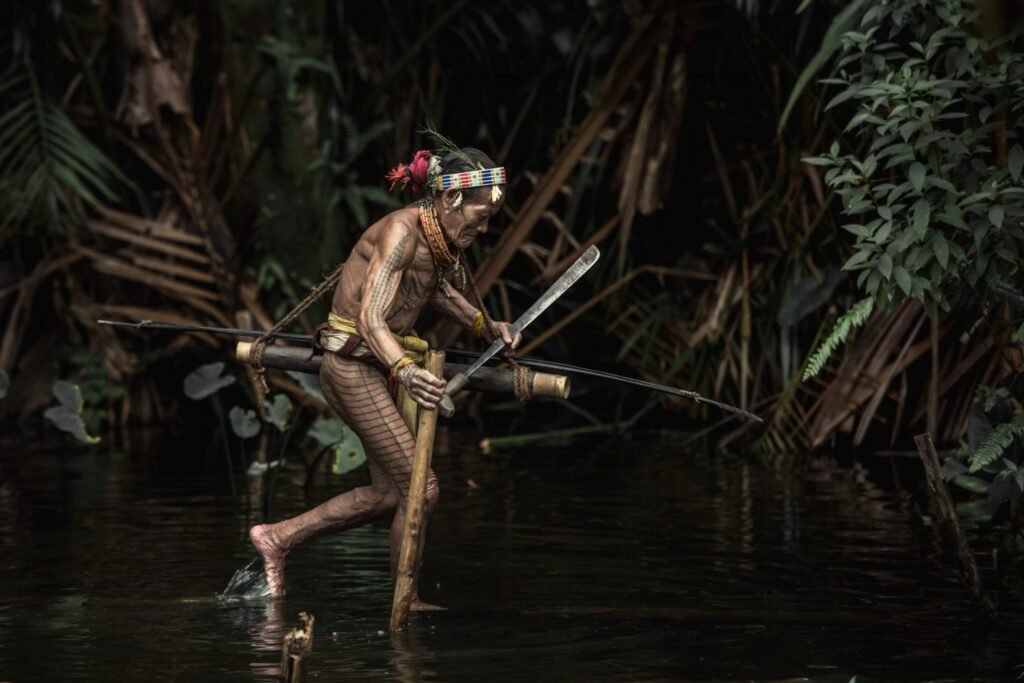
Francisco de Orellana Fifty years on, the Europeans (now approaching South America from the west coast) were just as hungry for silver, gold and cinnamon. Conquistador Gonzalo Pizarro’s expedition into unexplored territory East of Quito, Ecuador, was an attempt to seek them out. As part of this venture, Pizarro ordered Lieutenant Francisco de Orellana to depart with a brigade of fifty men to establish where the Coca and Napo Rivers joined. They reached the site on 26 December 1541, but rather than turning back, the brigade’s lust for riches drove them to threaten mutiny if they did not continue. Orellana had no choice but to prepare the men for a new and thrillingly dangerous voyage: The adventure had begun. During eight months of travelling in two boats they had built, the crew became the first Europeans to navigate the Rio Negro and eventually reach the Amazon River. From the very beginning of their voyage, they encountered large indigenous settlements. The diarist reported, ‘there were vast cities glistening in white, the land as good, as fertile, and as normal in appearance as our Spain.’ Generally, ‘savages’ do not take kindly to Spaniards stealing their food supplies. Even with poisoned arrows, the indigenous men posed no significant threat to our adventurers.
Facing Legendary Warriors

Encounter with the Amazons

The trouble, however, was that they were not always fighting men. Nothing could have prepared them for the wrath of the Amazons. This female fighting force, with hair down to the floor and adorned with gold jewellery, ruled over large swathes of the region and regarded men as an unimportant annoyance required for reproduction only. Upon joining the fray to protect their lands, the Amazons allegedly did ‘as much fighting as ten Indian men’. They could shoot arrows in such quick succession that within minutes ‘our brigantines looked like porcupines.’ When the Amazons were present, even the native men fought more aggressively as the women would instantly club anyone who tried to turn back to death.

Exploring Enigmatic Cultures

Mysteries of the Black Men

The Spaniards were forced to flee to the Province of the Black Men (Provincia de Los Negros), where they endured heavy attacks from exceptionally tall, brightly dressed men who clipped their hair very short and stained themselves black. Although his crew wished to rest there to regain their strength, Orellana refused to stop until they had entered a less populated area – which proved to be a good call, as he learnt later that these Black Men ‘ate human flesh. Recounting his adventure to the Spanish Court, Orellana described the natives’ advanced agricultural system, high population density and mixture of walled villages and isolated farms. Focusing on the Amerindians’ wealth and eagerness to establish the origin of the precious metals worn by higher-ranking settlers, the Court granted Orellana funding for a second expedition along a different route. It was, however, an utter failure. Men and ships were lost on the way, and Orellana drowned when his boat capsized near the mouth of the Amazon.

Revealing Fertile Soil

Rediscovery of Terra Preta

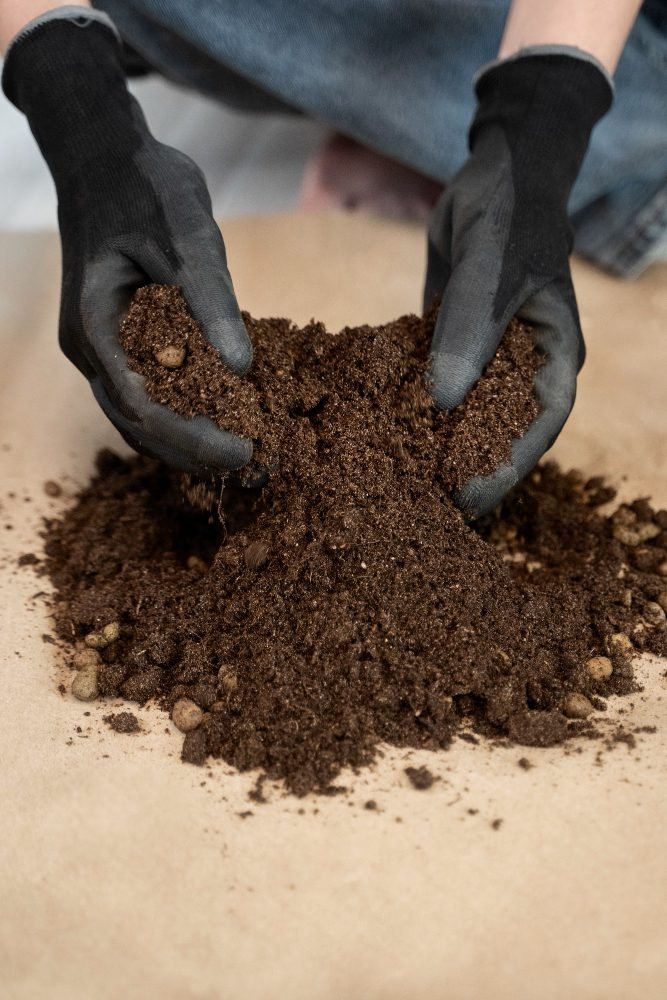
There were no subsequent voyages down the Amazon River until 1637 when Captain Pedro de Teixeira saw no trace of what Orellana had reported. He found no significant villages, let alone entire civilizations. Either Orellana was lying, or millions of people and their entire way of life had been erased in less than a Century. The astonishing world of the Amazonians was relegated to myth. Years passed, and nothing happened. The Amazon River basin was considered a site of little wealth or interest. And then, something mundane but brilliant occurred. In 1870, James Orton, a little-known American geologist and explorer, noticed that large patches of ‘black and very fertile soil existed alongside the typically grey, acidic soils of the basin. Though most deem this remark insignificant, it is what soil scientists dreamt of. Researchers flocked to investigate the mysterious dark earth or ‘terra preta’ known locally.

Discussion and Discoveries

Debates and Confirmations
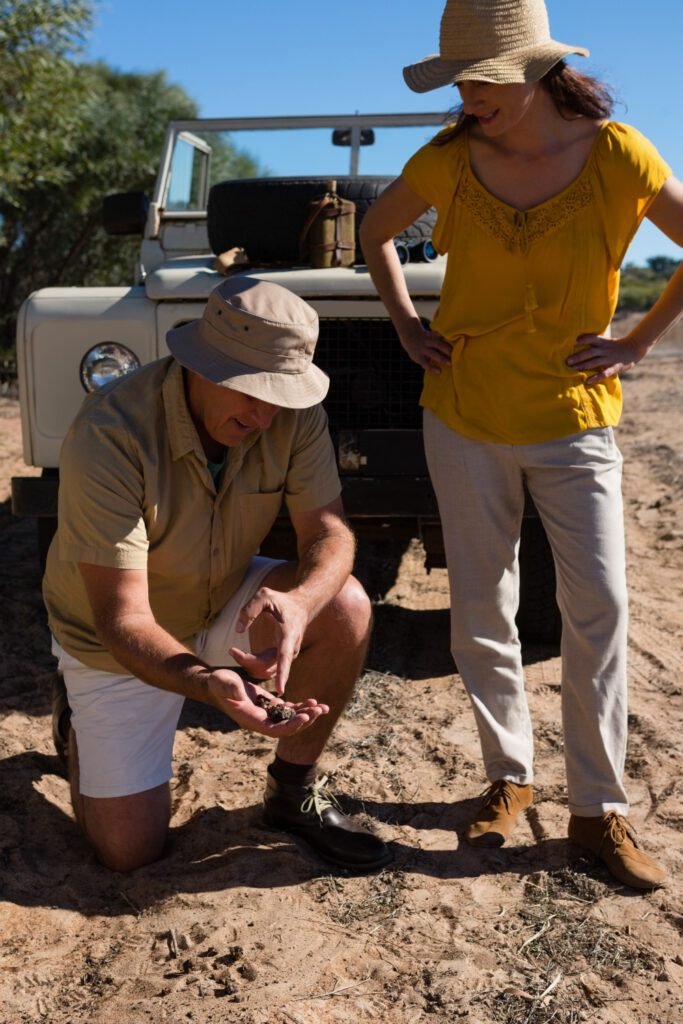
In 1879, naturalist Herbert H. Smith’s concluded that ‘the bluff-land owes its richness to the refuge of a thousand kitchens for maybe a thousand years.’ This finding, reinforced by geologist William Katzer’s early-twentieth-century analysis of the soil composition – a blend of mineral residuum, charred plant materials and decomposed organics – started turning heads. Did human settlers modify this piece of land? Had Orellana been telling the truth? For many, this was a ridiculous idea. Betty J. Meggers, the renowned Smithsonian archaeologist, repeatedly argued that despite the river basin’s rich flora, the Amazon’s weak soils could not possibly retain the necessary nutrients for the agricultural requirements of a complex society. She asserted that any village containing more than 1000 inhabitants would have collapsed. However, similarly thin, acidic soil is found in the savannah grasslands of Bolivia’s Mojos Plains (Llanos de Mojos). Though few people live there as crops are so challenging to grow, William Denevan noted in the 1960s that the landscape was crossed with unnaturally straight lines: evidence of pre-historic large-scale cultivation. Additionally, when working with some indigenous Amerindian farmers who still inhabit the Plains, Clark Erickson and William Balée discovered linguistic clues to the lost civilization: Balée says, ‘They have words for domestic plants since 2000 years ago’. The objections raised by Meggers have largely been discounted. Archaeological surveys have confirmed the correlation between the situation of the terra preta sites and the civilizations Orellana described back in the 16th Century. Furthermore, pottery shreds, food and animal waste in the soils demonstrate that they are anthropogenic. Through careful cultivation over many centuries, the people of the Amazon could compensate for the limitations of their natural environment, creating a sustainable agricultural system capable of possibly supporting millions of inhabitants.

Tracing Ancient Footsteps

Legacy of the Lost Civilization

Based on linguistic and ceramic evidence, Donald Lathrap hypothesized in the 1960s that the confluence of the Amazon, Negro and Madeira Rivers formed the centre of a vast and advanced civilization from Brazil to the Caribbean. Its rapid decline has been predominately explained by the Old World diseases brought over by the Spanish, to which the Amerindians had no immunity.